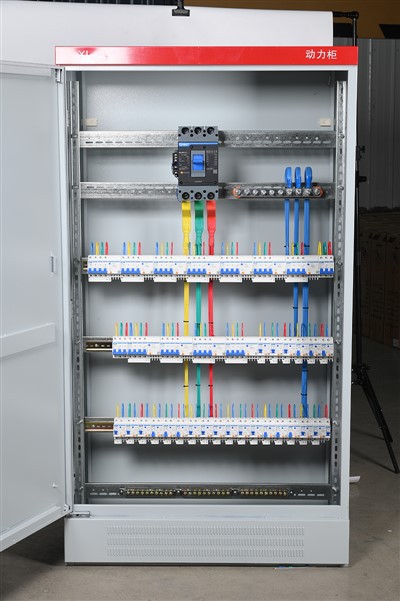
Copper-aluminum lugs are key electronic components used in the power and industrial sectors to reliably connect copper conductors to aluminum conductors. Their core function is to address the electrochemical corrosion caused by potential differences between copper and aluminum through standardized design, while precision manufacturing processes ensure connection strength and conductivity stability. They are widely used in wiring connections for transformers, distribution cabinets, motors, and other equipment.
From a material properties perspective, copper-aluminum lugs utilize a copper-aluminum composite structure, seamlessly fusing copper and aluminum through friction welding. This retains the high conductivity of copper (approximately 58 MS/m) while leveraging the lightweight properties of aluminum (density only 1/3 that of copper). Their oxidation resistance is achieved through tin plating, which forms a dense oxide film, reducing the corrosion rate to less than 1/5 that of pure aluminum. In terms of structural design, standardized screw hole diameters and board width parameters (customizable to specifications) ensure compatibility with various terminal blocks, while the oil-sealing design prevents moisture intrusion through a sealed structure, extending service life to over 10 years.