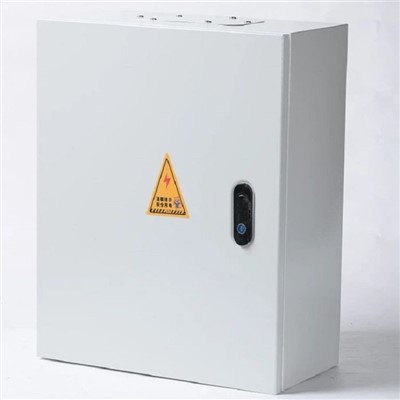
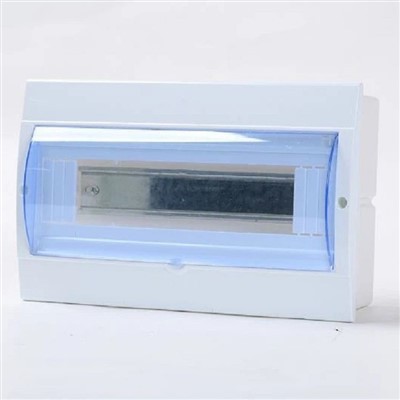
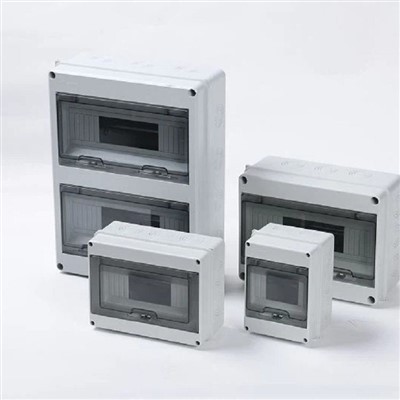
The installation location is typically chosen near a bathroom power outlet or on a wall close to water-using appliances. Before installation, ensure the wall is dry and leak-free. The equipotential bonding box should be securely installed in the designated location, ensuring its waterproof performance. Yellow-green bicolor wires should be used for connections. For local equipotential bonding in the bathroom, BVR 4 sq mm wire is recommended, concealed in conduit. BV 2.5 sq mm copper wire is recommended for the power PE line.
All accessible metal components in the bathroom, such as metal water supply and drainage pipes, metal bathtubs, metal heating pipes, faucets, bathtub supports, and building reinforcement mesh, must be reliably connected to the equipotential bonding box. The grounding wires of all electrical equipment in the bathroom, such as electric water heaters, lights, exhaust fans, and power outlets, must be connected to the equipotential bonding box. The grounding bus in the equipotential bonding box must be reliably connected to the main grounding terminal in the building's electrical distribution box.
Wires should be laid at a safe distance from water pipes and other electrical wires. Regularly check the connection points for security and for any signs of aging or loosening of the wires. Waterproof junction boxes should be used to ensure the wiring is protected from moisture. The installation process must refer to standard drawings such as "12D10 Lightning Protection and Grounding Engineering" and relevant electrical installation specifications.