Circular Economy Principles Reshape Electrical Enclosure Industry: Reuse, Refurbishment, and Material Recovery Become Competitive Differentiators
The electrical enclosure industry is undergoing a sustainability-driven transformation as circular economy principles move from corporate social responsibility initiatives to core business strategy. With raw material costs volatile and landfill regulations tightening globally, leading manufacturers are now designing for disassembly, offering take-back programs, and certifying refurbished enclosures to original standards.
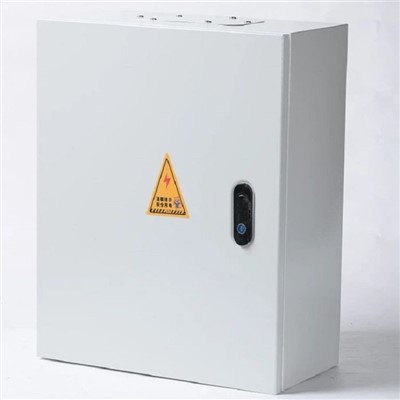
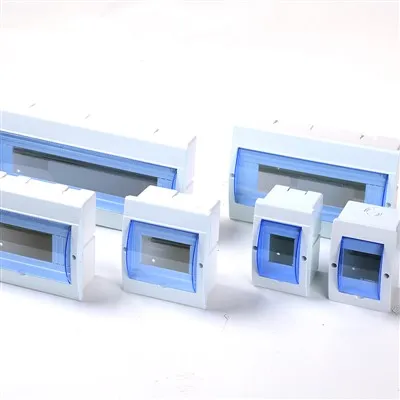
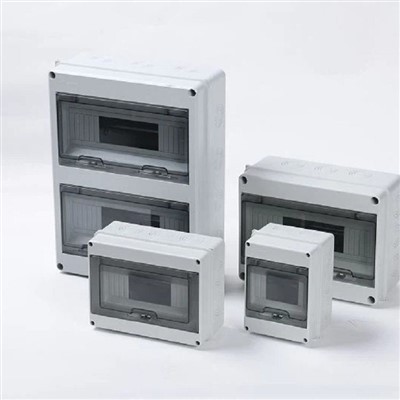
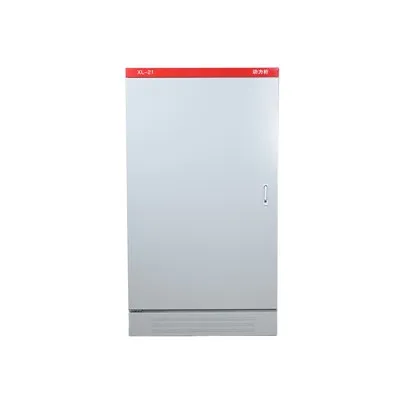
Electrical enclosures-ubiquitous in factories, offices, and public infrastructure-are typically built from durable metal or plastic that can last decades. Yet when facilities upgrade or decommission, many still end up discarded. This represents both an environmental missed opportunity and a growing regulatory liability.
The Economics of Enclosure Reuse
Refurbished enclosures typically cost a fraction of new products, delivering immediate procurement savings. For budget-constrained projects or multi-site operators, the cumulative cost reduction can be substantial. Beyond purchase price, reuse eliminates disposal fees and reduces supply chain pressure during material shortages.
The environmental case is equally compelling. Metal recycling is highly energy-efficient-up to 74% energy savings compared to producing new steel from ore. Every reused or recycled enclosure avoids the mining, refining, and energy-intensive production associated with virgin materials, directly reducing carbon footprints.
Industry Best Practices Emerging
Leading facility managers are now creating internal reuse centers-dedicated storage areas where retired but serviceable enclosures are catalogued and redeployed before new orders are placed. This simple step reduces both costs and unnecessary manufacturing demand.
The refurbishment process follows a rigorous protocol:
- Inspection & cleaning: Structural integrity verified, seals and hinges checked, surfaces cleaned and repainted
- Retrofit & adaptation: DIN rails, cable entries, ventilation, and cutouts added to meet modern equipment requirements
- Certification & safety testing: Enclosures tested to original NEMA or IP ratings, with documentation tracking for compliance audits
For enclosures beyond refurbishment, material separation is critical. Steel and aluminum are directed to specialized recyclers; plastics (ABS, polycarbonate) require dedicated facilities. Non-recyclable mixed-material components are processed through energy-recovery or approved disposal channels.
Regulatory Tailwinds
The circular economy shift is accelerating due to regulatory pressure. The EU's expanding sustainability reporting requirements and extended producer responsibility (EPR) frameworks are pushing manufacturers to account for end-of-life management. Companies that proactively demonstrate reuse and recycling capabilities gain competitive advantage in public tenders and ESG-focused procurement.
Research from Hong Kong confirms consumer and business willingness to participate: 52% of respondents preferred recycling end-of-life electronics, while 28% opted to repair-indicating strong underlying demand for circular solutions when infrastructure supports it.
QHECO's Circular Economy Program
QHECO has launched a comprehensive enclosure lifecycle management program addressing the full circular value chain:
- Design for disassembly: All new enclosures engineered with recyclable material combinations and separable components
- Take-back & refurbishment: Customers can return end-of-life enclosures for certified refurbishment with full warranty
- Material recovery partnership: Collaboration with certified recyclers ensuring 95%+ metal recovery rates
- Carbon footprint tracking: Documentation provided for every reused or recycled enclosure to support client sustainability reporting
"Customers and investors are increasingly looking for strong sustainability initiatives," said QHECO's sustainability officer. "In annual reports or marketing materials, demonstrating enclosure reuse and recycling efforts enhances brand reputation and attracts environmentally conscious clients and financing opportunities."
The program also addresses a practical supply chain concern: when large-scale infrastructure builds or material shortages spike demand for new cabinets, companies with established reuse capabilities avoid delays and stabilize project schedules while competitors face procurement bottlenecks.