

Outdoor Electrical Enclosure Material Selection Guide: Cold Rolled Steel vs. Hot-Dip Galvanized Steel vs. 304 Stainless Steel
A Technical Analysis for Engineers, Contractors, and Procurement Professionals
Introduction: Why Material Selection Determines Project Success
The service life of an electrical enclosure is determined by approximately 70% by its raw material. In my fifteen years of sourcing electrical equipment across Europe, the Middle East, and Southeast Asia, I have witnessed countless cases where enclosures failed prematurely-not due to design flaws, but because of improper material selection.
This guide provides a systematic comparison of three primary materials used in outdoor electrical enclosure manufacturing: Cold Rolled Steel (SPCC), Hot-Dip Galvanized Steel (SGCC), and 304 Stainless Steel. Based on international standards including IEC 60529, NEMA 250, and ISO 12944, we analyze performance characteristics, cost structures, and application scenarios to support informed procurement decisions.
1. Material Comparison Overview
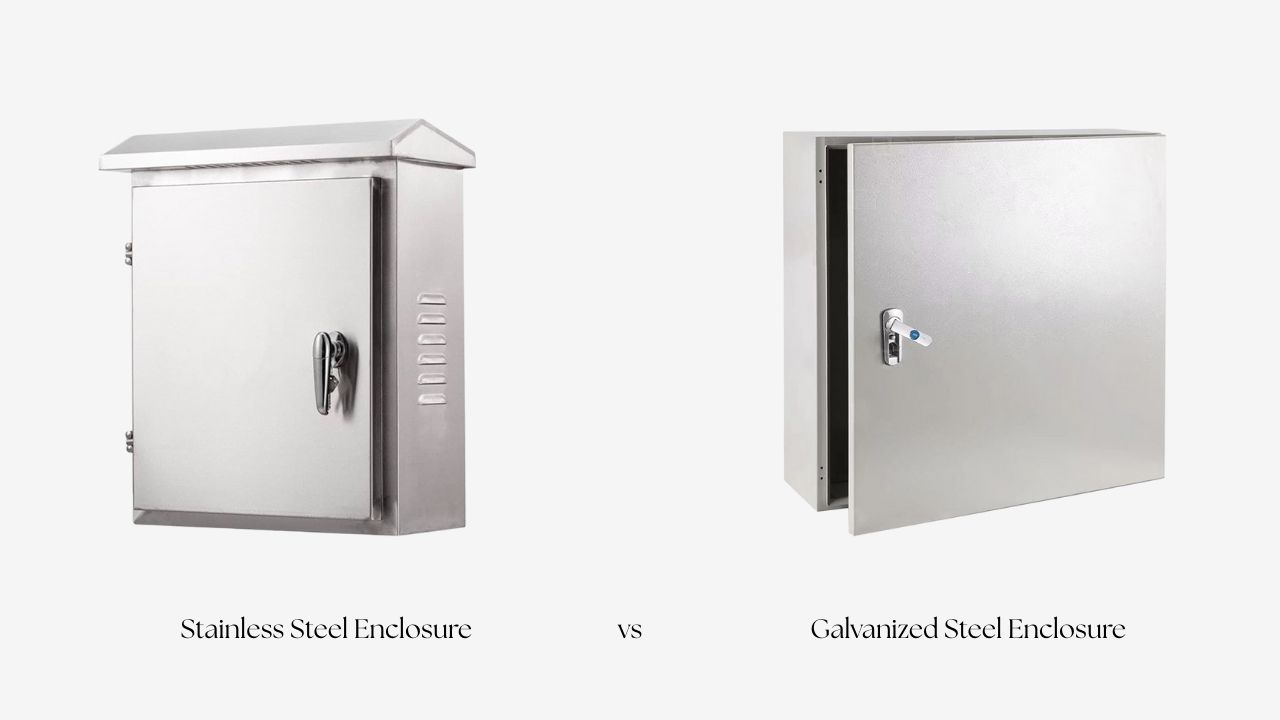
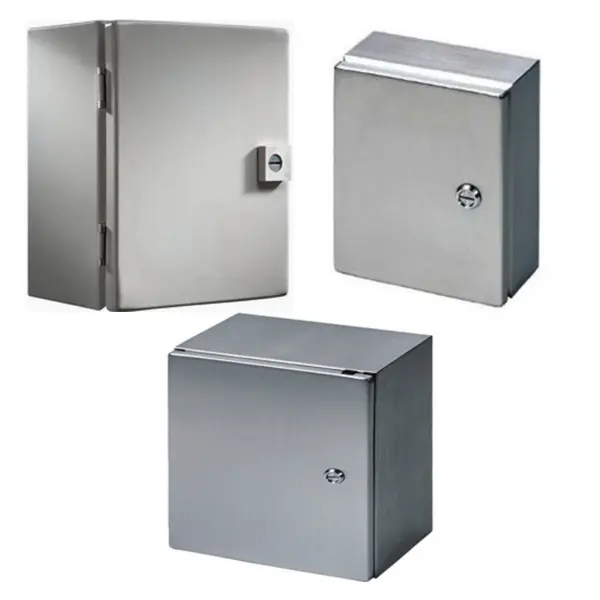
| Dimension | Cold Rolled Steel (SPCC) | Hot-Dip Galvanized Steel (SGCC) | 304 Stainless Steel |
|---|---|---|---|
| Base Material | Plain carbon steel | Carbon steel + zinc coating (≥45μm) | Austenitic stainless (Cr 18% / Ni 8%) |
| Corrosion Mechanism | Depends entirely on post-treatment coating | Sacrificial anode protection (zinc layer) | Self-healing chromium passivation film |
| Salt Spray Resistance | Poor (requires additional treatment) | Excellent (500–1000 hours) | Superior (>2000 hours) |
| Chemical Resistance | Poor | Good | Excellent |
| Outdoor Service Life | 2–5 years | 10–15 years | 20+ years |
| Cost Factor | 1.0 (baseline) | 1.2–1.4 | 2.5–3.5 |
| Workability | Excellent | Good (zinc affects welding) | Moderate (requires specialized tools) |
| Recyclability | Requires phosphating/painting | Zinc layer recyclable | 100% recyclable |
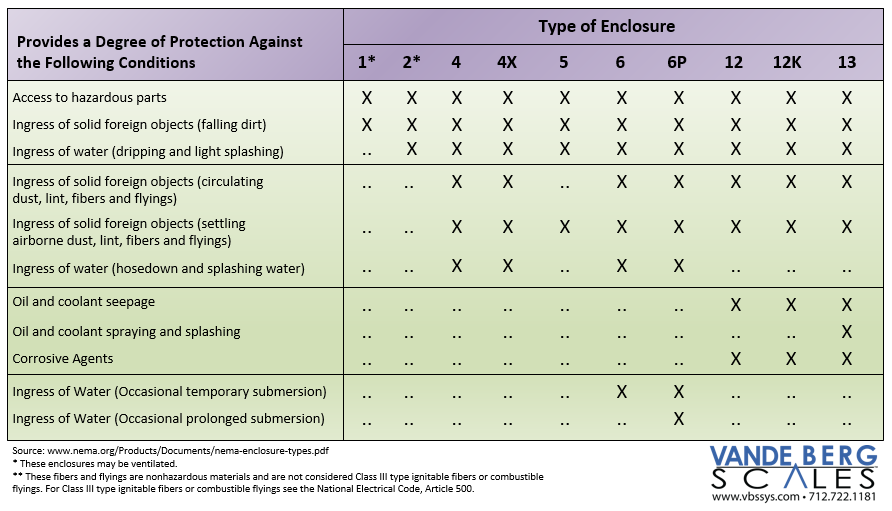
According to NEMA 250 testing standards, corrosion resistance is evaluated through three distinct tiers depending on the enclosure's intended environment. For outdoor applications (Type 3, 3R, 4, 6, and all "X" subtypes), a rigorous 600-hour salt spray test per ASTM B117 is required, with the enclosure showing no pitting, cracking, or deterioration more severe than a G90 galvanized control sample.
2. Cold Rolled Steel: The Budget Option with Hidden Costs
Technical Characteristics
Cold Rolled Steel (SPCC) is produced by processing hot-rolled steel at room temperature, yielding high dimensional accuracy and smooth surface finish. However, bare cold rolled steel possesses virtually no corrosion resistance and requires comprehensive post-treatment:
-
Phosphating pre-treatment → Powder coating (epoxy polyester, 60–80μm thickness)
-
Electrophoretic coating → Cathodic electrophoresis + topcoat
Applicable Scenarios
-
Indoor dry environments: Electrical rooms, building risers, control centers
-
Budget-sensitive projects: Residential construction, temporary power, short-term rental equipment
-
Established maintenance systems: Applications with regular repainting and replacement schedules
Risk Warning
2. Cold Rolled Steel: The Budget Option with Hidden Costs
Technical Characteristics
Cold Rolled Steel (SPCC) is produced by processing hot-rolled steel at room temperature, yielding high dimensional accuracy and smooth surface finish. However, bare cold rolled steel possesses virtually no corrosion resistance and requires comprehensive post-treatment:
Phosphating pre-treatment → Powder coating (epoxy polyester, 60–80μm thickness)
Electrophoretic coating → Cathodic electrophoresis + topcoat
The material offers excellent formability and is widely used in appliance housings, electronic enclosures, and automotive interior components where aesthetics and precision matter most.
Applicable Scenarios
Indoor dry environments: Electrical rooms, building risers, control centers
Budget-sensitive projects: Residential construction, temporary power, short-term rental equipment
Established maintenance systems: Applications with regular repainting and replacement schedules
Risk Warning
Per ISO 12944-5 corrosion environment classification, in C3 (moderate pollution) and above environments, cold rolled steel with powder coating experiences rapid substrate corrosion once the coating is compromised. Outdoor deployment requires annual coating integrity inspections-a maintenance cost frequently underestimated during initial procurement.
QHECO Recommendation: For outdoor applications with limited budgets, prioritize hot-dip galvanized steel over cold rolled steel with thickened coatings. The lifecycle cost advantage is substantiated by field data.
3. Hot-Dip Galvanized Steel: The Standard Solution for Outdoor Applications
Technical Principle
Hot-dip galvanizing involves immersing steel in molten zinc at 450°C, thereby forming a metallurgical bond layer consisting of an Fe-Zn alloy layer and a pure zinc layer, with a total thickness typically of 45–85 μm (according to GB/T 26941 standard). This zinc layer provides sacrificial anode protection: even if the surface is scratched and the substrate is exposed, the zinc layer will still corrode preferentially, thus delaying the substrate from being perforated by rust.
Applicable Scenarios
General outdoor environments: Industrial plants, municipal power distribution, agricultural irrigation
Moderate corrosion environments: Beyond 5km from coastlines, peripheral chemical zones
High-humidity environments: Hydropower stations, wastewater treatment, underground utility corridors


